
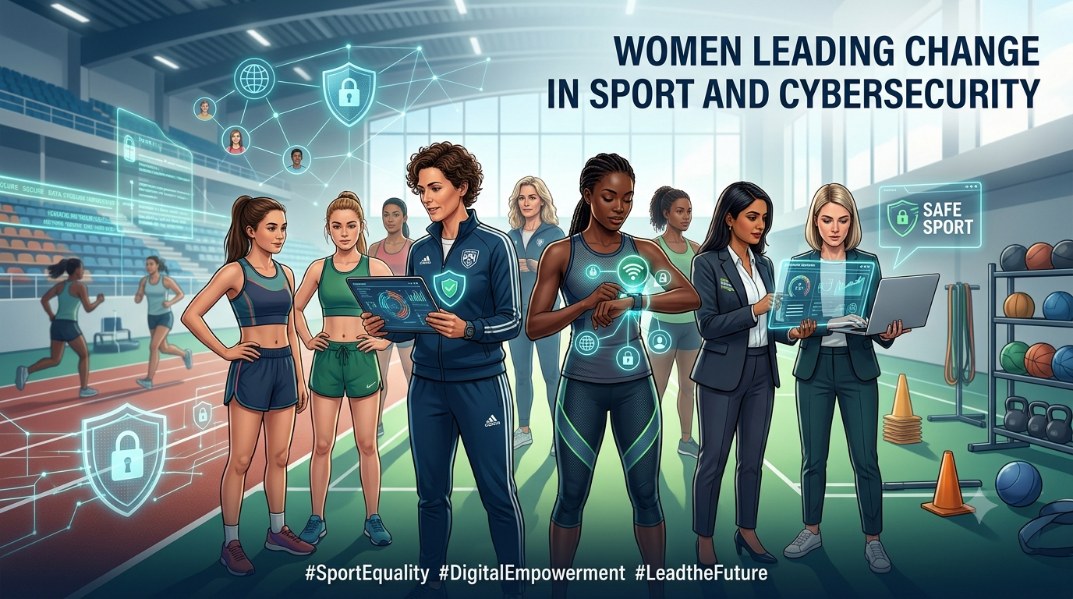
Sport has always been a powerful space for change. It brings people together, challenges stereotypes, and creates opportunities for individuals to demonstrate leadership, resilience, and determination. Today, as sport becomes increasingly connected with digital technologies, a new area of empowerment is emerging: cybersecurity.
Women athletes, coaches, educators, and sport professionals are not only participating in sport – they are helping shape safer, more inclusive digital environments. Through education, awareness, and leadership, women are becoming key drivers of change in both sport and cybersecurity.
The SAFE SPORT – Cybersecurity for Women Athletes project recognizes that gender equality in sport must also include equal opportunities and protection in digital spaces. Empowering women with cybersecurity knowledge strengthens their ability to participate confidently, protect their identities, and influence the future of sport.
A New Generation of Women Leaders in Sport
For many years, discussions about equality in sport focused primarily on participation: increasing the number of women athletes, improving access to competitions, and creating more opportunities for women in leadership positions.
Today, the conversation has expanded.
Women are increasingly leading initiatives that connect sport, education, technology, and safety. They are coaches who promote inclusive team cultures, educators who support athletes’ development, and professionals who recognize that digital protection is an essential part of modern sport.
Leadership is no longer defined only by winning medals or holding official positions. It is also about creating environments where others can succeed.
Why Digital Empowerment Matters for Women in Sport
The digital world offers women athletes incredible opportunities. Social media allows them to share their achievements, build communities, connect with supporters, and create professional opportunities beyond competition.
However, digital spaces are not always equal or safe.
Women athletes often experience online challenges such as gender-based harassment, unwanted attention, cyberbullying, and attacks targeting their identity or appearance rather than their sporting achievements.
Digital empowerment means ensuring that women have the knowledge, confidence, and tools to navigate these spaces safely.
It is not about reducing participation online – it is about enabling women to participate without fear.
Connecting Gender Equality and Cybersecurity
Gender equality and cybersecurity may seem like separate topics, but they are closely connected.
A woman athlete who understands how to protect her personal information, manage her digital identity, and respond to online risks has greater control over her digital presence.
Cybersecurity education can support equality by helping women:
- Build confidence in digital environments
- Protect their privacy and personal information
- Recognize and respond to online threats
- Use technology as a tool for professional growth
- Participate in online communities safely
When women have equal access to digital knowledge, they have greater opportunities to lead, communicate, and influence change.
Stories of Change Across Partner Countries
The SAFE SPORT project brings together partners from different European countries, united by a common goal: creating safer and more inclusive sporting environments through education and awareness.
Across these communities, women are contributing to change in different ways. Some are supporting athletes through coaching and education, others are strengthening safeguarding practices within organizations, and many are helping make cybersecurity more accessible to people who may previously have viewed it as a technical or complicated subject.
Their experiences show that change does not happen through one action or one person. It happens through collaboration, shared knowledge, and communities that believe safety and equality belong together.
From the Training Field to the Digital World
A coach teaching young athletes about respect and teamwork is also teaching values that apply online.
A sport educator explaining responsible communication is helping prevent digital harm.
An athlete protecting her online identity is strengthening her independence and confidence.
The same qualities that make successful athletes – discipline, awareness, decision-making, and resilience – are also essential in cybersecurity.
This connection is one of the strengths of the SAFE SPORT approach: digital safety is not presented as a separate technical issue, but as another skill that supports personal and professional development.
Women as Role Models for Safer Sport
Representation matters. When women take leadership roles in sport and technology, they inspire others to see themselves as capable contributors and decision-makers.
A young athlete who sees women leading teams, creating educational programs, and shaping digital safety initiatives learns that leadership is possible in many forms.
Women leaders help challenge outdated ideas that technology and cybersecurity are areas reserved for specialists. They demonstrate that digital skills are for everyone and that everyone has a role in creating safer online spaces.
Building Stronger Communities Through Collaboration
One of the most important lessons from initiatives like SAFE SPORT is that cybersecurity is a shared responsibility.
Athletes, coaches, clubs, educators, and organizations all contribute to creating safer environments.
Women’s leadership strengthens this process by bringing diverse perspectives and experiences into conversations about safety, inclusion, and equality.
When communities work together, they create systems where athletes are not only protected but also empowered.
Looking Ahead: The Future of Women in Sport and Cybersecurity
The future of sport will continue to be shaped by technology. Digital platforms, online communication, and innovative tools will remain central parts of athletes’ lives.
The challenge is ensuring that this digital future is inclusive, safe, and accessible for everyone.
Women leading change in sport and cybersecurity are helping build this future. Through education, collaboration, and advocacy, they are proving that safety and equality go hand in hand.
The goal is not only to protect athletes from digital risks – it is to empower them to use technology confidently and positively.
Final Thoughts
Women’s leadership is transforming the way we understand safety in sport. By connecting gender equality with cybersecurity, we create stronger opportunities for athletes and communities across Europe.
The SAFE SPORT – Cybersecurity for Women Athletes project represents this vision: a sporting environment where women are supported, informed, and empowered to succeed both on the field and online.
Every athlete deserves the freedom to participate, compete, and connect without fear.
Every woman deserves the knowledge and confidence to lead in the digital age.
Together, we can build a future where sport is safer, more inclusive, and more digitally empowered.